
From the blog
How House Calls Help Seniors Avoid the Emergency Room
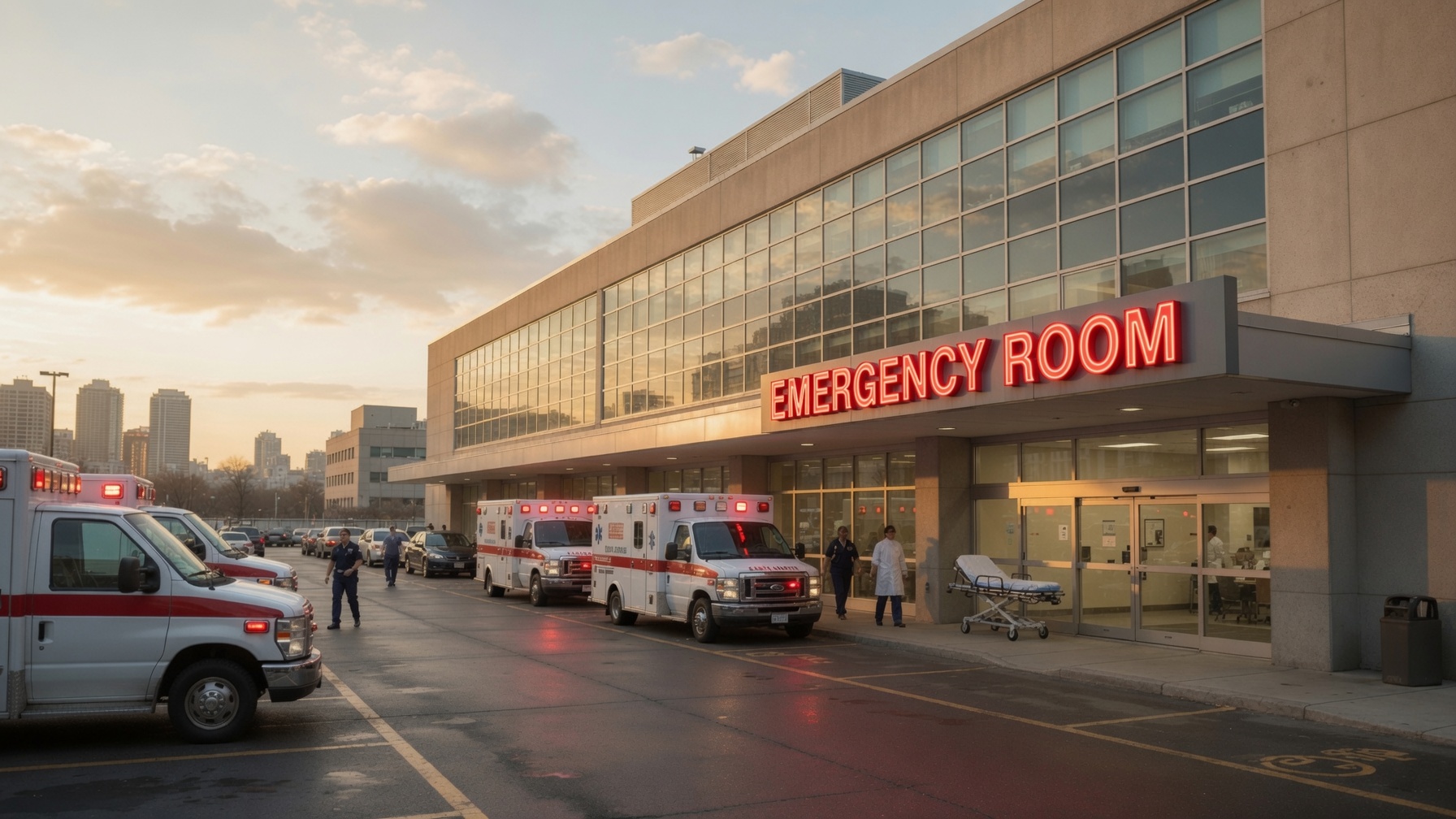
For a homebound senior, an emergency room visit is more than an inconvenience. It often means hours on a stretcher in a hallway, exposure to infections, disorientation — and frequently, a problem that could have been treated at home.
Why avoidable ER trips happen
When someone can't get to a doctor quickly, small problems escalate. A urinary tract infection, dehydration, or a medication issue that a clinician could treat on a Tuesday afternoon becomes a 911 call by Friday night. The gap isn't the family's fault — it's a care model that assumes the patient can travel.
Call us first
When something changes — new confusion, a fall without serious injury, worsening breathing, a wound that looks wrong — our patients call us first. Our triage team assesses the concern, and when an in-person assessment is medically necessary, an additional visit is scheduled. A nurse practitioner comes to the home, examines the patient, runs tests on the spot, and treats what can be treated there.
Catching problems before they become emergencies
The bigger win is prevention. We see our patients on a regular monthly schedule, so deviations from their baseline are caught early — before they become emergencies at all. And for patients recently discharged from the hospital or rehab, our Transitional Care program adds extra support during the riskiest weeks: an initial visit within 48 hours of discharge and close follow-up through the first month, to prevent readmissions.
When the ER is the right call
House calls don't replace 911. Chest pain, stroke symptoms, serious injuries, and severe breathing trouble need the emergency room, every time. For everything in between, existing patients can call us first at 718-444-7766 — often we can save you the trip.
Not a patient yet? Sign up here — enrollment takes under a minute.